
Anthea Holder – Chiropractor, Burwood East
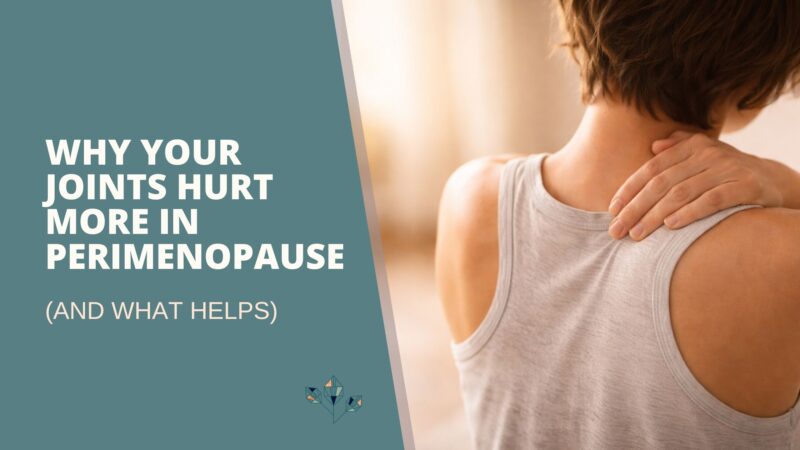
If you’re in your 40s or early 50s and noticing that your joints feel stiffer, achier or slower to recover, you’re not imagining it.
Many women are surprised when neck pain, shoulder tension, back pain or sore hips suddenly appear during perimenopause — even if they have always been active and healthy.
Perimenopause can begin up to 10 years before menopause, and during this time fluctuating hormones can influence everything from sleep and mood to inflammation and joint health.
The good news is that understanding what’s happening in your body can help you take steps to support your spine, joints and nervous system so you can continue living an active and energetic life.
As a holistic chiropractor in Burwood, I often see women navigating these changes and wanting natural ways to support their bodies.
Let’s explore why this happens — and what actually helps.
The Hormone–Joint Connection
One of the main drivers of joint discomfort during perimenopause is changing oestrogen levels.
Oestrogen plays several important roles in the body that influence joint comfort:
• It helps regulate inflammation
• It supports collagen production in ligaments and tendons
• It influences joint lubrication
• It helps muscles recover from strain
As oestrogen fluctuates during perimenopause, many women experience:
-
Increased joint stiffness
-
Slower recovery after exercise
-
Neck and shoulder tension
-
Lower back pain
-
Hip and knee discomfort
Research from organisations such as the Australasian Menopause Society highlights that musculoskeletal pain is one of the most common symptoms reported by women during perimenopause.
However, hormones are only part of the story.
Why Lifestyle Also Plays a Role
Many women in their 40s and 50s are managing busy careers, family responsibilities and increased stress, while also experiencing changes in sleep quality.
All of these factors can increase tension in the body and contribute to pain.
Common contributors include:
-
Poor sleep and reduced recovery
-
Increased stress hormones
-
Sedentary work or long hours at a desk
-
Reduced muscle strength
-
Higher levels of inflammation in the body
If sleep has become a challenge during this stage of life, you might also find this article helpful:
👉 The connection between sleep and spinal health
This is why a holistic approach to joint and spine health becomes so important during this stage of life.
Practical Ways to Support Your Joints in Perimenopause
The goal is not simply to “treat pain,” but to support your body’s ability to adapt and recover.
Here are some simple strategies that can make a significant difference.
1. Keep Your Spine Moving
Movement is one of the most powerful tools for reducing joint stiffness.
Gentle, regular movement helps:
-
Improve joint lubrication
-
Reduce inflammation
-
Maintain muscle strength
-
Support spinal mobility
Great options include:
-
Walking
-
Pilates
-
Yoga
-
Strength training
-
Mobility exercises
Even 10–15 minutes of movement per day can help keep joints mobile and comfortable.
If you’re not sure where to start, I’ve written more about helpful movement habits here:
👉 Exercises and movement habits that support a healthy spine
2. Support Your Nervous System
Your spine protects your nervous system, which controls how your body adapts to stress and repairs tissues.
When the spine becomes restricted or stiff, it can contribute to:
-
muscle tension
-
reduced mobility
-
ongoing discomfort
Chiropractic care focuses on improving spinal function and nervous system communication, helping your body move and recover more effectively.
If neck tension is something you experience regularly, you may also find this helpful:
👉 10 Hacks to Relieve Neck Pain and Restore Life to the Fullest Again
Many women find that regular care helps them feel:
-
less stiff
-
more mobile
-
better able to exercise and stay active
3. Reduce Inflammation Through Nutrition
Inflammation can amplify joint discomfort during hormonal changes.
Supporting your body with anti-inflammatory foods can make a real difference.
Helpful foods include:
-
oily fish rich in omega-3 fats
-
leafy green vegetables
-
berries
-
nuts and seeds
-
olive oil
Reducing excess refined sugar and ultra-processed foods can also help lower inflammation levels.
If you’d like to explore this topic further, you might enjoy this article:
👉 How reducing inflammation supports long-term health and pain reduction
As a functional nutrition practitioner, I often help patients make small nutritional adjustments that support both joint health and hormone balance.
4. Prioritise Sleep and Recovery
Many women notice sleep disruptions during perimenopause.
Unfortunately, poor sleep increases inflammation and reduces tissue repair.
Simple ways to support sleep include:
-
keeping a consistent bedtime
-
reducing screen exposure before bed
-
gentle evening stretching
-
breathing exercises to calm the nervous system
Better recovery also means fewer flare-ups of pain.
If you’re recovering from a strain or injury, you might also enjoy this article:
👉 Tips for recovery after a sporting injury
Improving sleep quality can have a significant impact on pain levels and recovery.
5. Seek Support Early
One of the biggest mistakes I see is women assuming they simply need to “push through the pain.”
Pain is often your body’s way of signalling that it needs support.
Early care can help:
-
restore movement
-
reduce inflammation
-
prevent minor issues becoming chronic problems
If you’re experiencing neck pain, back pain or joint stiffness during perimenopause, a personalised assessment can help determine what your body needs.
As a chiropractor in Burwood, I work with many women navigating this life stage by combining:
-
gentle chiropractic care
-
movement advice
-
nutrition support
-
lifestyle strategies
The aim is always to help you move well, feel strong, and continue doing the things you enjoy.
Supporting Your Body Through This Stage of Life
Perimenopause is a natural transition, but it can come with physical changes that feel unexpected.
The good news is that with the right support, many women find they can actually feel stronger, more mobile and more resilient than before.
If you would like help understanding what your body needs, you are always welcome to book an appointment at the clinic.
Together we can create a plan to support your spine, joints and overall wellbeing.
Yours in Health,
Dr. Anthea Holder
Chiropractic and Functional Nutritional Therapy Practitioner in Burwood East
Frequently Asked Questions About Perimenopause and Joint Pain
Does perimenopause cause joint pain?
Yes, many women experience increased joint stiffness and muscle aches during perimenopause. Fluctuating oestrogen levels can influence inflammation, joint lubrication and collagen production, which can make joints feel stiffer or slower to recover.
Why do my joints feel stiff in the morning during perimenopause?
Hormonal changes can increase inflammation and reduce joint lubrication. Poor sleep, stress and reduced movement can also contribute to morning stiffness. Gentle movement and maintaining spinal mobility can help reduce this feeling.
What helps relieve joint pain during perimenopause?
Many women find relief through a combination of strategies including regular movement, anti-inflammatory nutrition, good sleep habits and maintaining spinal health. Chiropractic care can also help improve mobility and reduce tension in the muscles and joints.
Can chiropractic care help joint pain during perimenopause?
Chiropractic care focuses on improving spinal movement and supporting the nervous system. Many women find that maintaining good spinal function helps reduce stiffness, improve mobility and support overall wellbeing during hormonal transitions.
 Why Your Next Holiday Might Be the Best Thing for Your Spine