
Anthea Holder – Chiropractor, Burwood East
If you’re struggling with back pain, neck pain or recurrent headaches, your first thought is probably posture, stress, or sleeping position.
Very few people think about food.
But here’s something I regularly explain to patients in my practice as a Chiropractor in Burwood:
Your body cannot heal efficiently in an inflamed environment.
If your spine, joints and muscles are trying to repair irritation, strain or tension, they need the right internal conditions to do so. Chiropractic care restores movement and improves nervous system function — but nutrition determines how well your tissues actually recover.
(You can also read about how chiropractic care helps reduce inflammation — including its effects on inflammatory markers — in my post “How Chiropractic Care Can Help Reduce Inflammation.”) How Chiropractic Care Can Help Reduce Inflammation
Inflammation: When It Helps — and When It Hurts
Inflammation is not bad. It is essential.
If you strain your lower back, irritate a neck joint, or experience tension headaches, inflammation is part of the repair process.
The problem is chronic, low-grade inflammation.
When inflammation lingers, it can:
-
Increase stiffness in the spine
-
Heighten pain sensitivity
-
Slow recovery from back pain
-
Contribute to persistent neck pain
-
Trigger or worsen headaches
(If you want to explore common lifestyle habits that harm spinal health and contribute to pain and inflammation, check out my article “5 Everyday Habits That Are Harming Your Spine.”) 5 Everyday Habits That Are Harming Your Spine
One of the biggest drivers of this chronic inflammatory state is the balance of fats in our modern diet — specifically omega-3 and omega-6 fatty acids.
Omega-3 and Omega-6: Why the Ratio Matters
Both omega-3 and omega-6 are essential fatty acids — your body needs them — but the balance between them matters enormously.
In an ideal world, humans thrived on a 1:1 ratio of omega-6 to omega-3.
Today, most Western diets sit closer to 10:1 or even 20:1 in favour of omega-6.
Here’s why that matters:
-
Omega-6 fats (in excess) promote the body’s inflammatory signalling.
-
Omega-3 fats help calm and regulate inflammation.
When omega-6 significantly outweighs omega-3, the body is pushed toward a more inflammatory internal environment — and that makes it harder for your tissues to heal.
How Omega-3 Supports Healing
The active omega-3 fats — EPA and DHA — support:
-
Reduced production of inflammatory chemicals
-
Improved joint lubrication
-
Healthier spinal disc function
-
Enhanced cell membrane flexibility
-
Nervous system regulation
-
Reduced muscle soreness
For patients under chiropractic care in Burwood, this is powerful.
Adjustments improve spinal movement and nerve communication. Omega-3s help calm irritated tissues so that those changes hold more effectively.
Structure and chemistry work together.
How to Increase Omega-3 From Food
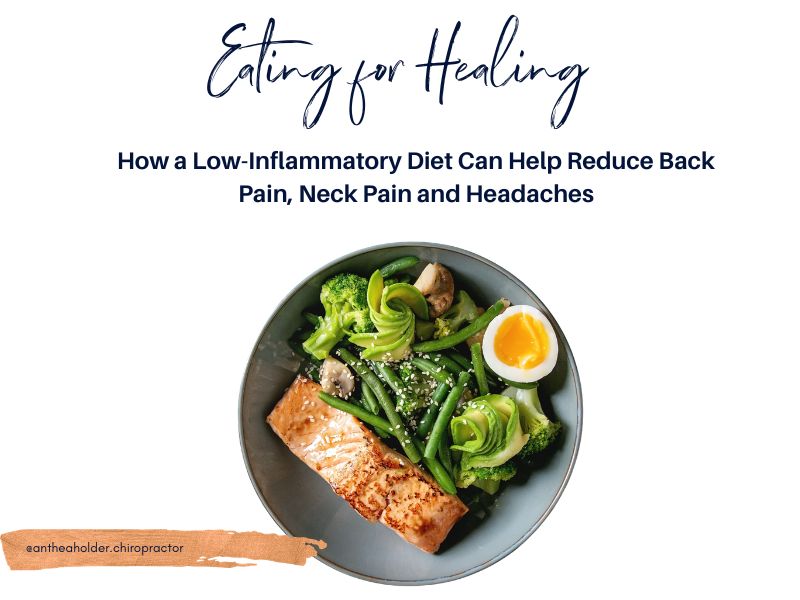
Food first is always preferred.
Rich marine sources (highest in EPA and DHA):
-
Sardines
-
Wild-caught salmon
-
Mackerel
-
Herring
-
Anchovies
Aim for 2–3 servings of oily fish per week.
Plant sources (which contain ALA, a precursor that converts at a lower rate but still contributes):
-
Chia seeds
-
Freshly ground flaxseeds
-
Hemp seeds
-
Walnuts
Practical ideas:
-
Add 1–2 tbsp of chia or flax to smoothies.
-
Add salmon to salads twice a week.
-
Enjoy sardines on sourdough with avocado and lemon.
-
Sprinkle hemp seeds over roasted vegetables.
Small, consistent changes shift your internal environment over time.
Reducing Omega-6: The Missing Piece
Increasing omega-3 is important. Reducing excess omega-6 is equally critical.
Common high omega-6 sources include:
-
Vegetable oils (canola, sunflower, soybean, corn)
-
Deep-fried foods
-
Packaged snacks
-
Commercial salad dressings
Helpful swaps:
-
Use olive oil or avocado oil at home.
-
Cook more meals from scratch.
-
Limit packaged snacks.
-
Read labels — if vegetable oils are early on the list, put it back.
When we reduce excess omega-6 and increase omega-3, we begin to restore balance closer to that ideal 1:1 ratio.
And that means a calmer internal environment for healing.
A Note on Omega-3 Supplements: Freshness Is Essential
If you use an omega-3 supplement, quality matters.
Omega-3 oils are delicate and oxidise easily. Rancid (stinky) oil can actually increase oxidative stress — which increases inflammation.
Choose supplements that:
-
Do not smell strongly “fishy”
-
Minimise fishy burps
-
Are stored in a cool, dark place (often refrigerated)
-
Are from reputable brands with purity testing
If it smells bad, it likely is bad.
Fresh oil supports healing. Damaged oil does not.
Hydration: The Overlooked Anti-Inflammatory Tool
Your spinal discs are approximately 70–90% water.
Even mild dehydration can:
-
Reduce joint lubrication
-
Increase stiffness
-
Heighten headache frequency
-
Slow nutrient delivery
-
Delay tissue repair
Water supports:
-
Circulation
-
Waste removal
-
Fascia elasticity
-
Disc hydration
-
Inflammatory regulation
As a starting point:
Aim for approximately 30–35ml of water per kilogram of body weight per day, adjusted for activity and climate.
Many patients notice improvement in headaches and neck tension simply by improving hydration.
Real Food vs Packaged Food
Whole, minimally processed foods reduce overall inflammatory load.
Focus on:
-
Leafy greens
-
Colourful vegetables
-
High-quality protein
-
Olive oil and avocado
-
Nuts and seeds
-
Seasonal fruit
Reduce:
-
Packaged snacks
-
Highly processed takeaway meals
-
Refined sugars
-
Deep-fried foods
Real food provides micronutrients, antioxidants, and fibre that regulate inflammation naturally. Packaged food often does the opposite.
(If you want more ideas for real food that supports better health, you can explore the “Real Food Choices Made Simple”article on my site.) Real Food Choices Made Simple*
Chiropractic Care + Low-Inflammatory Nutrition
As a Chiropractor in Burwood, my goal is not only to relieve back pain, neck pain and headaches, but to support long-term resilience.
Adjustments restore movement.
Movement improves nervous system messaging.
Improved nervous system messaging supports healing.
But healing is amplified when the internal environment supports it.
When you combine:
-
Restored spinal alignment
-
Improved nervous system function
-
Balanced omega-3 to omega-6 intake
-
Proper hydration
-
Whole, anti-inflammatory foods
You give your body the best possible chance to recover and stay well.
Pain is not only structural.
It is biochemical.
And every meal is an opportunity to support healing.
(For more guidance on pain relief from neck tension, check out “10 Hacks to Relieve Neck Pain and Restore Life to the Fullest Again.”) 10 Hacks to Relieve Neck Pain and Restore Life to the Fullest Again
If you’d like support in either your dietary choices or your spinal health, you’re welcome to book online for an visit or a discovery call to see how chiropractic care and nutrition support can help you build long-term health.
👉 Want help personalising nutrition and lifestyle strategies for your family? Book a visit at my Burwood East practice today.
👉 Click here to book an appointment or a free 15-minute discovery call.
 Simple, Sustainable Exercise Habits to Support Your Back Pain in Burwood